
How Hot Do Lithium-Ion Battery Fires Burn?
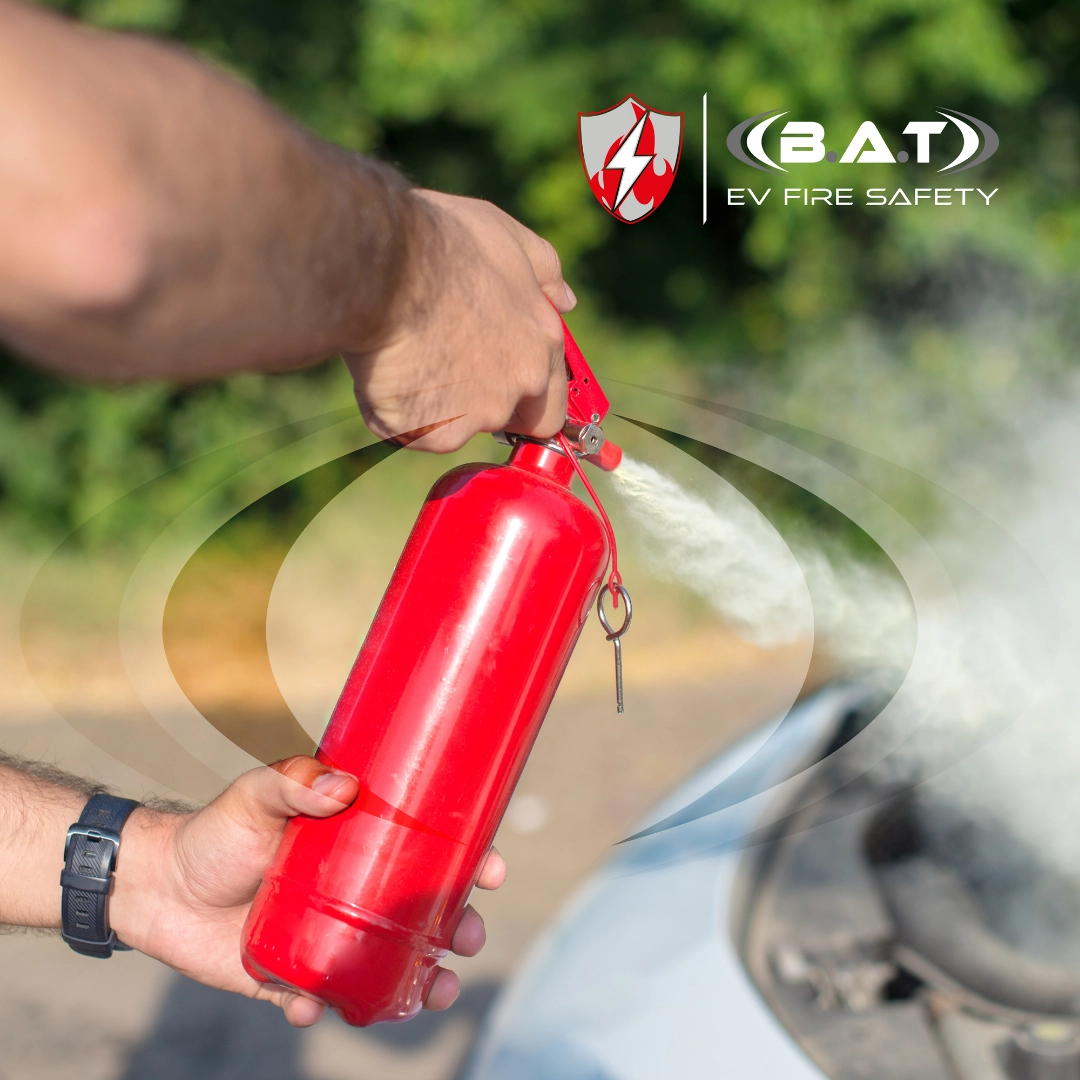
Lithium-ion battery fires burn at exceptionally high temperatures, far exceeding those seen in most conventional fires. Typically, these fires reach temperatures over 1,000°C.
At these temperatures, the structural integrity of buildings and infrastructure is placed under severe stress. Many of the metals and ceramics commonly used in construction, including steel, aluminium, and concrete reinforcements, begin to weaken, deform, or melt entirely. This can lead to partial or total structural failure, significantly increasing the risk to people, assets, and emergency responders.
Unlike traditional fires, lithium-ion battery fires are not solely driven by external fuel sources. The battery itself becomes the fuel, releasing enormous amounts of energy as it enters thermal runaway. This means that even when visible flames appear to be under control, intense heat can continue to build internally, increasing the risk of re-ignition or secondary fires nearby.
These extreme temperatures also accelerate the release of toxic gases, further complicating firefighting efforts and creating hazardous conditions long after the initial fire has been suppressed. In enclosed spaces such as car parks, depots, or charging facilities, heat accumulation can spread rapidly, damaging critical infrastructure and forcing prolonged site closures.
The intensity and persistence of lithium-ion battery fires means early detection is essential. Identifying abnormal heat build-up before temperatures reach critical levels allows incidents to be contained while they are still manageable.
BAT EV Fire Safety’s advanced thermal monitoring systems are designed to detect subtle temperature changes long before flames appear. When combined with real-time alerts and specialist response equipment, this proactive approach helps prevent extreme heat escalation, reduces damage, and supports safer, faster emergency intervention.

PROTECTING YOUR ASSETS. SAFEGUARDING YOUR PEOPLE.