
What is Thermal Runaway?
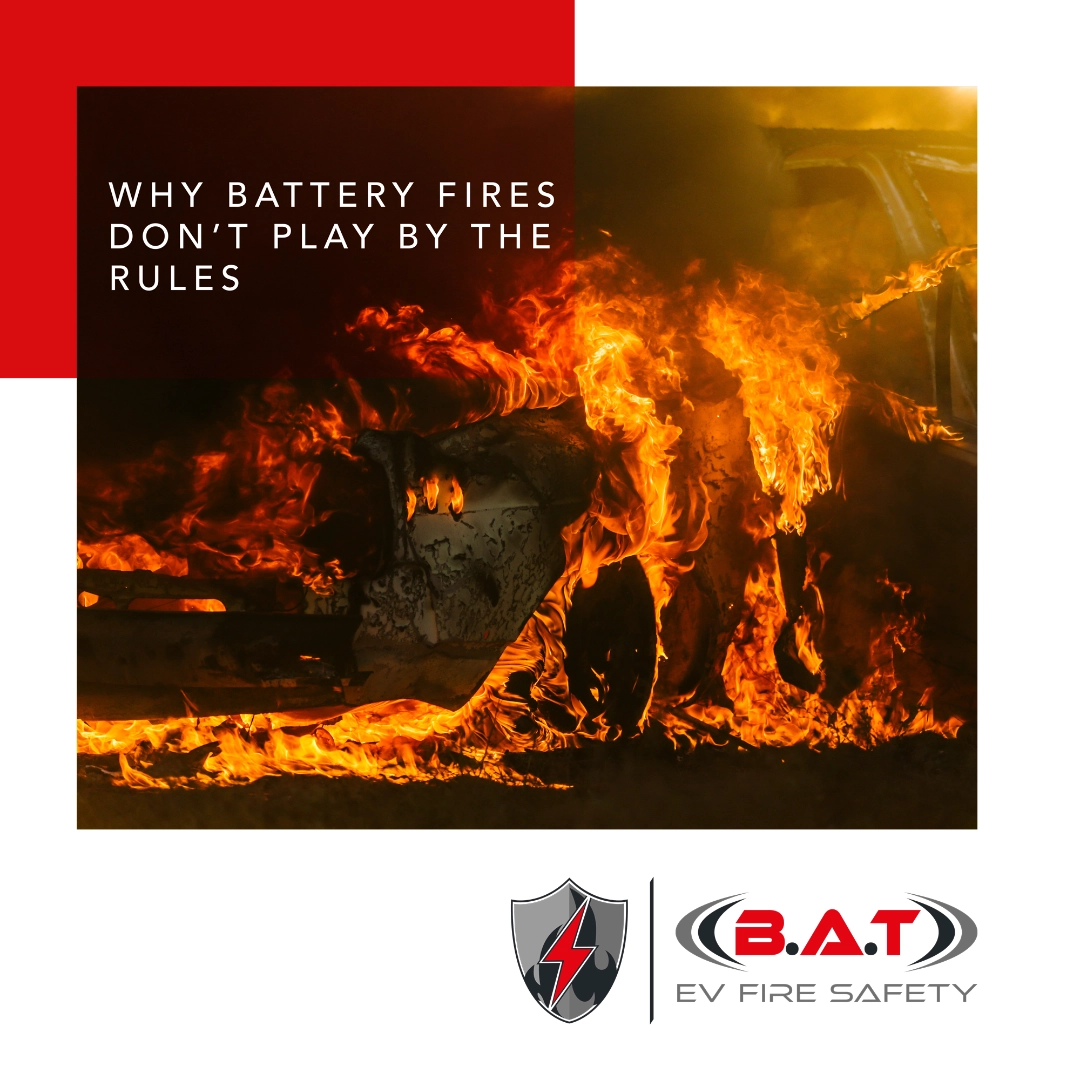
Thermal runaway is a dangerous chain reaction that can occur inside lithium-ion batteries when internal heat generation exceeds the battery’s ability to release or dissipate that heat. Once this process begins, it can quickly escalate, causing rapid temperature rises, venting of hazardous gases, and in severe cases, intense fires or explosions.
Essentially, a battery in thermal runaway loses its ability to self-regulate. Small issues such as overcharging, physical damage, manufacturing defects, or even exposure to high ambient temperatures can trigger this reaction. Once started, the chemical reaction becomes self-sustaining, and the heat produced accelerates further reactions within the battery, increasing the risk of catastrophic failure.
The consequences of thermal runaway can be severe. Temperatures inside a lithium-ion battery during such an event can exceed 1,000°C. This is hot enough to melt metals and ceramics, compromise the structural integrity of surrounding materials, and produce toxic gases that pose serious health risks to anyone nearby.
Traditional fire safety measures are often not enough to contain thermal runaway. Fires caused by these events can be difficult to extinguish, sometimes requiring thousands of litres of water or full submersion for days. In response, BAT EV Fire Safety has developed proactive monitoring and emergency response solutions designed to detect early signs of abnormal heat build-up or off-gassing.
By identifying the initial warning signs before a battery reaches critical temperatures, businesses can act to contain and mitigate thermal runaway, reducing the likelihood of fire, explosion, or toxic gas release.
Understanding thermal runaway is critical for any organisation managing lithium-ion batteries, particularly in electric vehicles, energy storage systems, and industrial applications. With the right monitoring, detection, and emergency response measures in place, the risks associated with this phenomenon can be significantly reduced, protecting both people and assets.

PROTECTING YOUR ASSETS. SAFEGUARDING YOUR PEOPLE.